- Understand property funds
- Reduce investment risk
- Build a more resilient portfolio
- Learn what drives income
- Identify growth sectors & locations

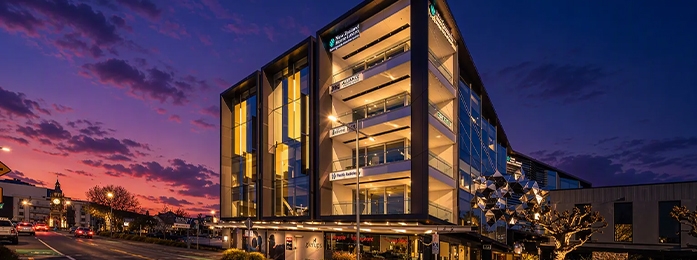
Learn how unlisted property funds differ from traditional syndicates, how diversification can help spread risk, and how commercial property compares with other investment options. You’ll also gain a clear understanding of liquidity and the long-term commitment involved.
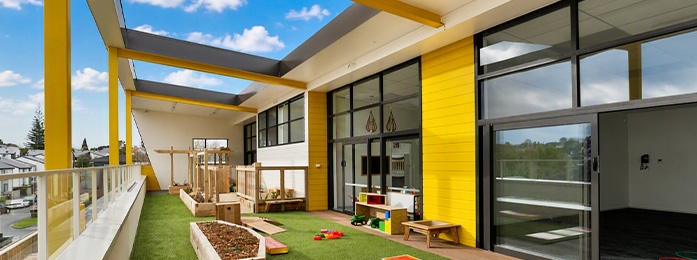
Explore the difference between cyclical and structural demand, and why factors such as location, access and land constraints matter. This section also looks at the commercial property sectors supported by enduring needs, including industrial, essential-services retail, childcare and healthcare.

Discover what happens after a property is acquired—and why it matters. From tenant selection and lease structures to maintenance, debt management and governance, this section explains the decisions that help support durable income and long-term asset performance.
With over 30 years of experience, PMG has built a reputation as one of New Zealand’s most established unlisted licensed commercial property fund managers. Explore our funds and find out more.
Disclaimer: The information in this resource is of a general nature and was current as at September 2026. It is not intended to be regulated financial advice for the purpose of the Financial Markets Conduct Act 2013 and does not take your individual circumstances and financial situation into account. As with any investment, commercial property carries risks, including the risk of loss of capital. Past performance is not a guarantee of future results. PMG does not provide financial advice about whether an investment in one of its funds is right for you. Please seek advice from a licensed financial advice provider before making any investment decisions. PMG’s secondary market matching service operates on a queue system, and there is a fee. The time it takes to move shares or units can vary depending on the number of sellers in the queue and the level of demand.
