
24 Jul 2026
Some of the most effective improvements in a commercial building are the ones that make day-to-day life easier for the people who use it. At 70 Gloucester Street in Christchurch, PMG identified an opportunity to improve the tenant experience by introducing dedicated end-of-trip facilities that support people who cycle, walk, run or use other active transport options as part of their commute.
The project was not about adding an amenity for the sake of it, but rather about looking at how the property could better support the tenants, strengthen long-term appeal and remain relevant as workplace expectations continue to change.
For PMG, this is where sustainability and asset management intersect. It’s about making practical improvements that support tenant wellbeing, improve building functionality and contribute to long-term value for investors.
For many office workers, the commute is a key part of the workplace experience. If a building does not provide secure bike storage, showers, changing facilities or lockers, it can make active commuting difficult, even for people who would otherwise choose to cycle, walk or run to work.
At 70 Gloucester Street, PMG saw an opportunity to remove some of those barriers.
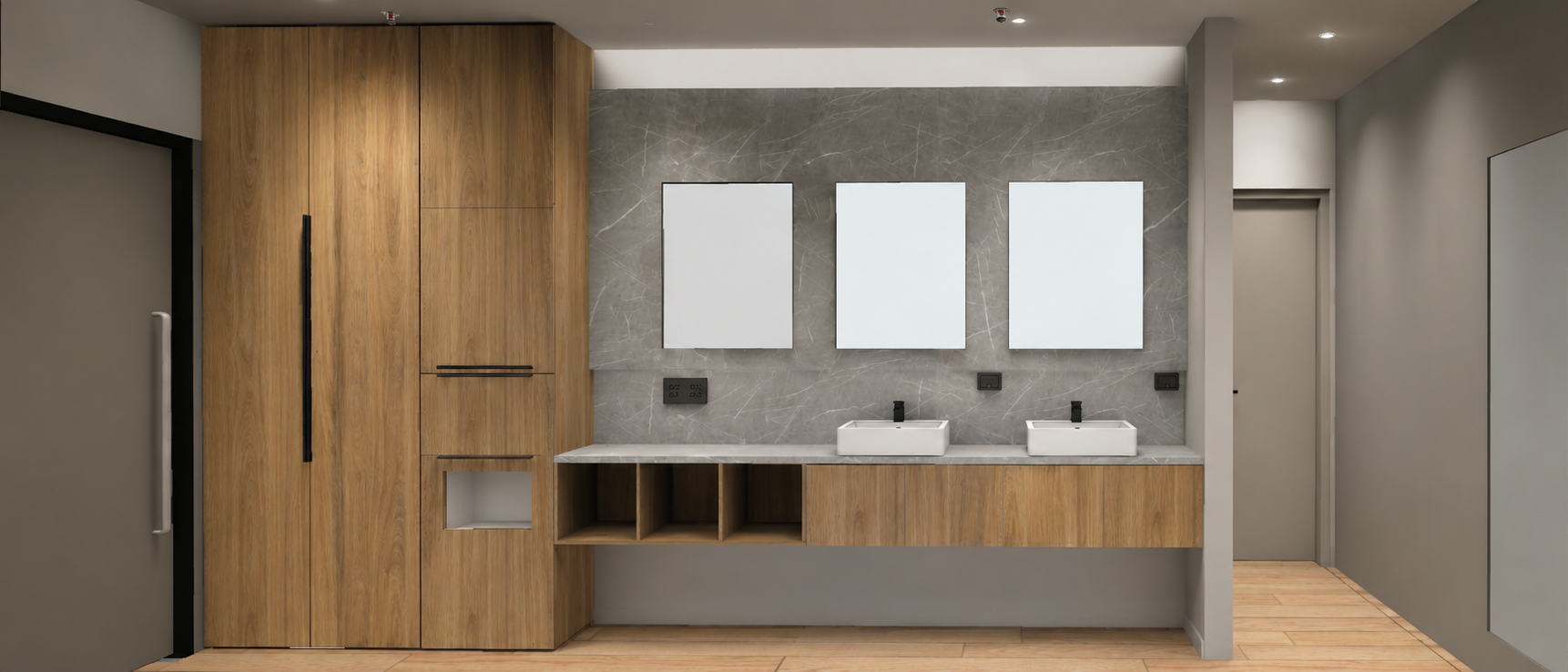
The new end-of-trip facilities were designed to make active transport a more realistic and convenient option for tenants and their teams. The project included secure bicycle storage, showers, changing facilities and lockers, creating a more practical experience for building users before and after the working day.
“When we look at improvements across the portfolio, we’re always thinking about how the building is being used and where we can create a better experience for tenants. At 70 Gloucester Street, end-of-trip facilities were a practical way to support wellbeing, give people more commuting options and enhance the overall quality of the asset,” says Stuart Tomlinson, National Facilities Manager at PMG.
To help shape the project, PMG worked with workplace design specialists Spaceworks, drawing on their experience in commercial property, workplace strategy and tenant-focused design.
For Spaceworks, successful workplace projects begin with understanding what the client is trying to achieve and what will make the greatest difference for the end user.
“Good workplace design starts with understanding the outcome. What problem are we solving? What will make the biggest difference for the people using the space? Once that is clear, the design decisions become much more purposeful,” says Jana Stringer, Commercial Director at Spaceworks.
That thinking helped guide the approach at 70 Gloucester Street. Rather than viewing the facilities as a standalone upgrade, the project considered how the space could support tenant needs, building performance and the long-term positioning of the asset.
“End-of-trip facilities are a good example of where a relatively targeted investment can have a meaningful impact,” Jana says. “They support how people want to move, work and use the building every day, while also helping landlords and tenants meet broader sustainability and wellbeing goals.”
For tenants, workplace amenity plays an increasingly important role in attracting and retaining people. Businesses are looking for buildings that support staff wellbeing, provide flexibility and align with their own environmental, social and governance objectives.
End-of-trip facilities help support these outcomes in a practical way. They give employees more choice in how they travel to work, reduce reliance on car parking and contribute to healthier commuting habits.
For PMG, this is part of a broader approach to tenant partnership. The focus is not only on providing space, but on understanding what occupiers need from buildings and identifying improvements that support their people and business objectives over time.
“These upgrades are about more than presentation. They help ensure our buildings remain competitive, functional and aligned with tenant expectations. That matters for occupiers, and it matters for investors because strong tenant appeal supports long-term asset performance,” says Stuart.
While end-of-trip facilities can support lower-emissions commuting, their value is broader than environmental impact alone. They are part of how PMG thinks about building relevance.
A building that supports active transport, wellbeing and tenant experience is better positioned to meet the needs of modern occupiers. It can also reduce pressure on car parking, improve amenity and contribute to a stronger overall workplace offer.
Importantly, these are practical, measurable improvements. They are the kinds of upgrades that can be planned, delivered and reviewed as part of a disciplined asset management programme.
PMG’s approach is to work with the right partners, understand the desired outcome from the beginning and deliver improvements that make commercial sense.
Projects such as 70 Gloucester Street also provide useful learnings for future asset improvements across the portfolio.
By working closely with partners such as Spaceworks, PMG can draw on specialist design expertise while maintaining a clear focus on commercial outcomes, budget discipline and long-term asset performance.
“A good debrief helps everyone understand what worked, what could be improved and how those learnings can be applied to future projects. When the commercial drivers are clear from the start, it also becomes easier to assess whether the project has delivered what it set out to achieve,” says Jana.
For PMG, this continuous improvement mindset is an important part of delivering better outcomes across the portfolio.
The end-of-trip facilities at 70 Gloucester Street are a practical example of PMG’s sustainability strategy in action.
They support healthier commuting choices, improve the tenant experience and strengthen the long-term appeal of the building. They also show how sustainability can be embedded into asset management in a way that is tangible, commercially grounded and directly relevant to the people using the space.
For PMG, creating sustainable buildings is about creating places that work well for tenants, remain relevant over time and continue to deliver value for investors.
Disclaimer: The information in this blog is general and current as of July 2026. It is not intended as regulated financial advice under the Financial Markets Conduct Act 2013 and does not consider your specific circumstances. PMG does not provide financial advice. Please consult a licensed financial advisor before making investment decisions.


